

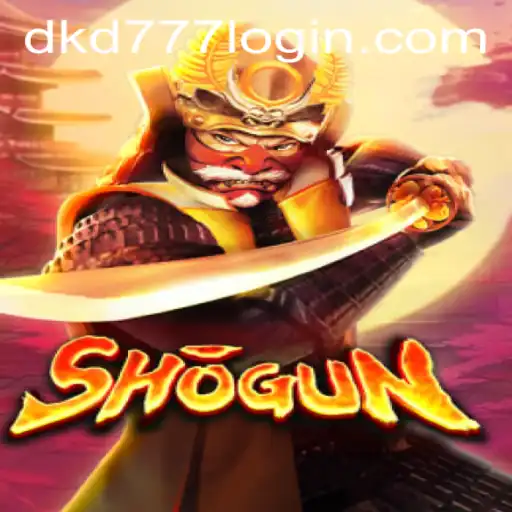
Explore the captivating universe of Shogun, a strategy board game that combines history with tactical gameplay.
Welcome to the Intriguing World of Shogun
Shogun is not just a game; it is a carefully woven tapestry of strategy, history, and tactical brilliance. Rooted in a historical framework, Shogun transports players to Japan's Sengoku period, allowing them to step into the roles of powerful daimyos vying for control over feudal Japan. As you embark on this journey, you will need cunning, planning, and a bit of luck to lead your armies to victory.
Introduction to Shogun
The game Shogun is a strategy-based board game that challenges players to conquer territories and manage resources effectively. Set in the tumultuous times of feudal Japan, participants are tasked with balancing military might with economic stability. The ultimate goal is to become the supreme Shogun, uniting the land under a single rule.
The Allure of Historical Gameplay
Part of Shogun's enduring appeal lies in its meticulous attention to historical detail. Players encounter authentic elements from the Sengoku period, including the use of real historical locations and figures. This dedication to accuracy not only enhances the educational value of the game but also increases the strategic depth as players must consider historical alliances and conflicts.
Getting Started with Shogun
Before embarking on your conquest, understanding the fundamental elements of Shogun is crucial. The game board represents a map of Japan, divided into multiple provinces that players compete over. Each player begins with a limited number of armies and resources, which must be managed carefully to expand their influence across the land.
The Role of Daimyos
In Shogun, each player assumes the role of a daimyo, or a regional lord, tasked with managing their territories and leading armies into battle. The ultimate objective is to gain control over all regions of Japan, thereby achieving the prestigious title of Shogun. This requires strategic thinking, negotiation, and the ability to anticipate opponents' moves.
Understanding the Rules of Engagement
Shogun's rules are designed to evoke the unpredictability and complexity of real-world conflicts. Each round consists of multiple phases where players take turns executing actions such as deploying troops, constructing buildings, and collecting taxes. The key to success is making strategic decisions with limited resources.
Combat and Conquest
Combat in Shogun is resolved using dice, adding an element of chance that mirrors the uncertainties of war. Players must balance offensive and defensive strategies, choosing when to aggressively expand and when to fortify their current holdings. Victory in battle grants control over provinces, while defeat can lead to strategic setbacks.
The Modern Context: Gaming and Cultural Engagement
As gaming becomes an increasingly popular cultural activity, games like Shogun offer valuable insights into historical periods and strategic thinking. In today's digital world, the shift towards role-based strategic games reflects a growing interest in immersive experiences that challenge players intellectually.
Integration with Digital Platforms
With the advent of digital platforms such as "dkd777 PH Login," players can now access Shogun and similar games online, expanding their reach and accessibility. This has led to a resurgence in interest, as these platforms offer the convenience of playing with a global community while maintaining the strategic depth of physical board games.
The Lasting Appeal of Shogun
Shogun's combination of historical accuracy, strategic depth, and engaging gameplay continues to captivate players around the world. Whether you are a history enthusiast intrigued by the Sengoku period or a strategy aficionado looking for a challenge, Shogun provides a rich and rewarding experience. Its ability to merge historical context with competitive gameplay ensures its place as a revered classic in the world of board games.




0 Comments